
Let’s be real for a second: we’ve all been personally victimized by “sad chicken.” You know the kind—pale, rubbery, and about as exciting as a cardboard box. For the longest time, I thought getting that restaurant-quality, shatteringly crisp skin combined with a sticky, finger-licking glaze was some kind of dark culinary magic reserved for people with expensive culinary degrees and copper pots.
But then, I discovered the “cold pan” method, and honestly? My life (and my Tuesday nights) changed forever.
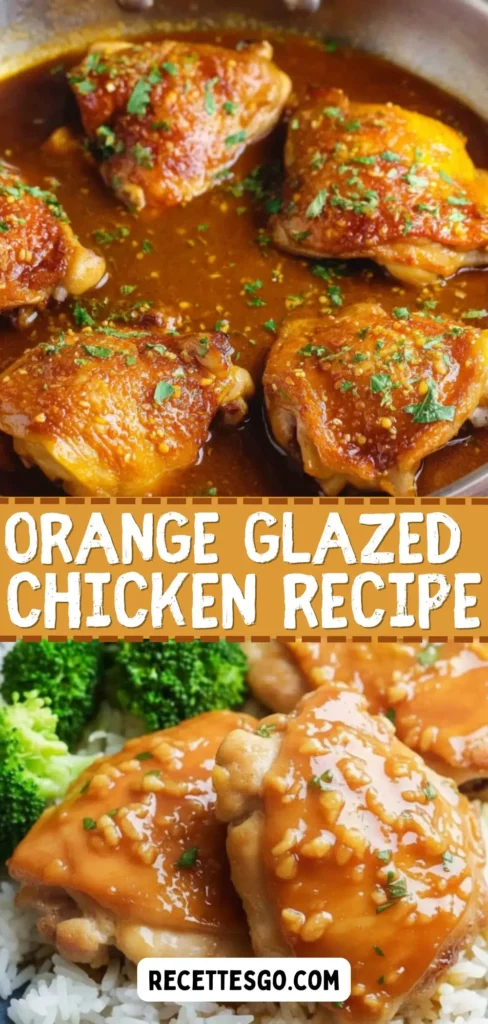
This Orange Glazed Chicken isn’t just another recipe to bookmark and forget. It’s a sensory experience. We’re talking about bone-in, skin-on thighs that sizzle until they sound like crackling parchment, drenched in a sauce that hits every single taste bud—sweet, salty, tangy, and a little bit of that je ne sais quoi from the sesame oil. It’s better than takeout, cheaper than a therapy session, and your kitchen will smell like a citrus grove in mid-summer.
The Secret is in the “Cold Start” (No, Seriously)
If you’re anything like me, your instinct is to crank the heat, wait for the oil to smoke, and then toss the meat in with a dramatic psshhh. Stop! Put the tongs down.
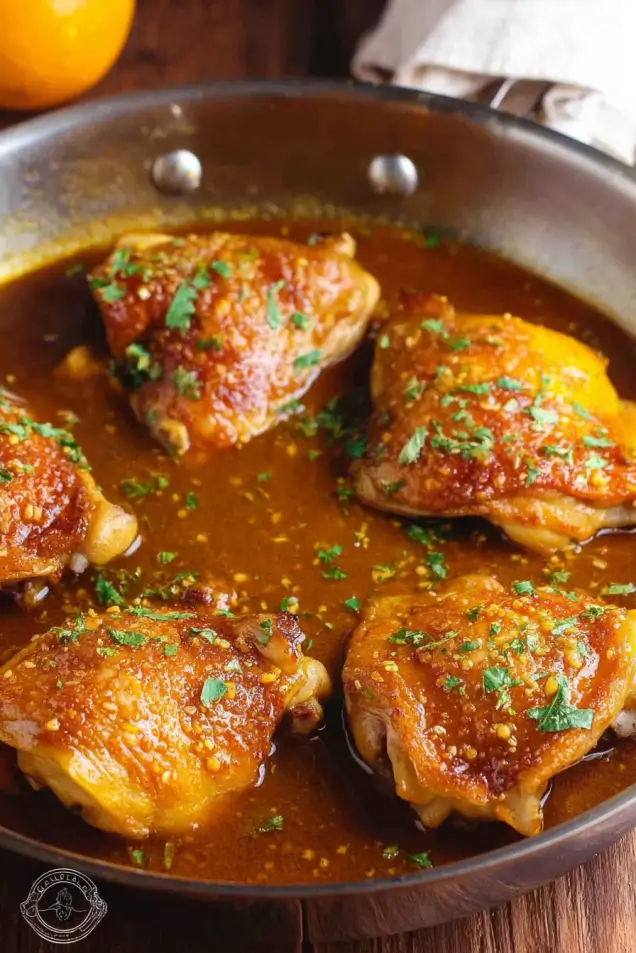
The secret to the most ridiculous skin you’ve ever tasted is starting with a cold skillet. I know, it feels wrong. It feels like we’re breaking the laws of physics. But by placing those thighs skin-side down in a cold pan and then turning on the heat, you allow the fat to render out slowly.
Think of it like a slow-burn romance instead of a chaotic first date. As the pan warms up, the fat melts away, leaving behind a golden, glass-like crust that stays crispy even after you smother it in sauce. If you go too hot too fast, the skin seizes up and stays flabby. Patience is a virtue, especially when chicken skin is involved.
Why Bone-In Thighs?
I’ll die on this hill: chicken breasts have their place (mostly in salads where they can be hidden), but for a glaze this bold, you need the richness of a thigh. The bone keeps the meat juicy while the skin acts as a vessel for that glorious orange reduction. Plus, they’re almost impossible to overcook.
Let’s Talk About That Glaze: It’s All About the Balance
The sauce is where the “Orange” in Orange Glazed Chicken really gets to shine. We aren’t using that gloopy, neon-orange stuff from the mall food court. We’re using the real deal.
- Freshly Squeezed Joy: Use actual oranges. The zest is where the essential oils live—that’s the “perfume” of the dish.
- The Sweet and the Heat: Honey provides a mellow sweetness that clings to the chicken, while ginger and garlic bring a little kick to the party.
- The Gloss Factor: At the very end, we “mount” the sauce with a knob of butter. This is a fancy chef trick (officially called monter au beurre) that gives the sauce a velvet-like sheen. It makes the dish look like it belongs on the cover of a magazine.
Pro-Tips for Sticky Success
Before you dive in, let me share a few “oops, I learned the hard way” tips so you don’t have to:
1. The “Leave It Alone” Rule
When those thighs are face down in the pan, leave them. Don’t poke them. Don’t peek. If you try to flip them and they feel stuck, they aren’t ready. The chicken will literally tell you when it’s done by releasing itself from the pan. It’s like it’s saying, “Okay, I’m crispy now, you can turn me over.”
2. The Right Gear
This is the one time I’ll tell you to put away the non-stick pan. You want a stainless steel or cast-iron skillet. We want “fond”—those little brown bits stuck to the bottom of the pan after frying the chicken. Those bits are concentrated flavor, and they get whisked right into your sauce.
3. Don’t Skimp on the Zest
When zesting your orange, stop as soon as you hit the white part (the pith). The white part is bitter and will ruin the vibe. We only want the bright, citrusy outer layer.
What to Serve with Your Masterpiece
This chicken is the star of the show, but every star needs a supporting cast.
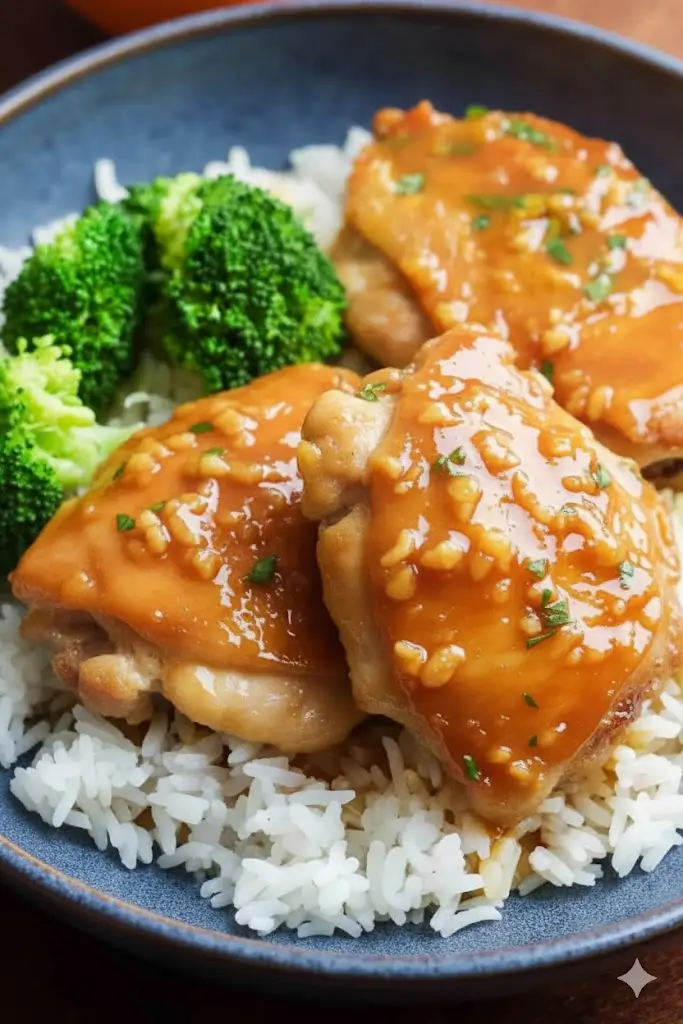
I’m a firm believer in Jasmine rice. It’s fragrant, slightly floral, and acts like a sponge for any extra orange glaze. If you’re feeling fancy, you could do a quick stir-fry of snap peas or some roasted bok choy. The green pop of a vegetable makes the whole plate look incredibly professional.
If you have leftovers (which is rare, let’s be honest), the chicken holds up surprisingly well. I’ve been known to shred the cold leftovers into a wrap the next day with some crunchy slaw. It’s the gift that keeps on giving.
Frequently Asked Questions (The “Will This Work If…?” Section)
Can I use chicken breasts? You can, but they dry out much faster. If you must use breasts, I’d recommend pounding them to an even thickness and being very careful not to overcook them. But really… try the thighs. Trust me.
Is the ginger optional? Technically, yes. But it adds a zing that cuts through the sweetness of the honey and orange. If you have it, use it! It makes the dish feel much more “alive.”
Help! My sauce is too thick! No panic necessary! If the sauce reduced a little too much while you were distracted by how good the chicken looks, just whisk in a splash of water or a little more orange juice to loosen it back up.
Ready to Level Up Your Dinner Game?
There is something so incredibly satisfying about hearing that crunch when you bite into a perfectly rendered chicken thigh. It’s a “pats on the back for everyone” kind of meal. It’s sophisticated enough for a Saturday night dinner party but fast enough for a “I can’t believe it’s only Monday” weeknight.
So, grab those oranges, get your skillet out, and let’s make some magic. Your kitchen is about to become the best restaurant in town.
Orange Glazed Chicken
4
servings10
minutes30
minutes427
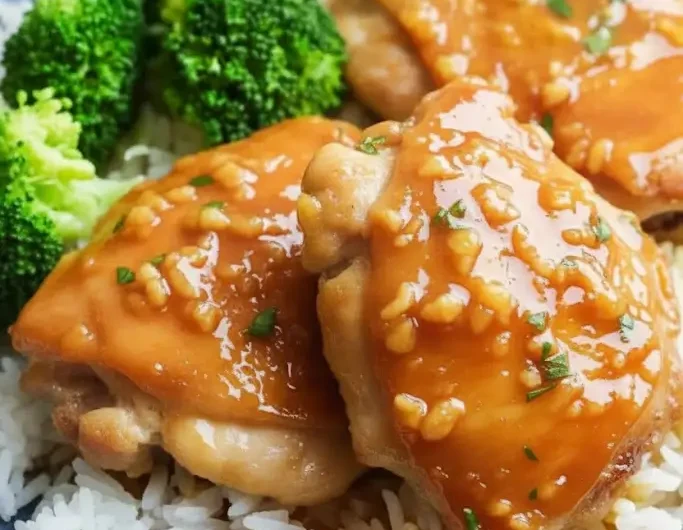
kcalStop ordering takeout! This Orange Glazed Chicken is made in one skillet with a unique cold-pan method for the crispiest skin ever.
Ingredients
- The Chicken
4 (800 g) bone-in, skin-on chicken thighs (approx. 28 ounces)
1 teaspoon fine salt
- The Orange Glaze
¾ cup (180 ml) fresh orange juice
Zest of 1 medium orange
2 tablespoons (42 g) honey
1 tablespoon (15 ml) soy sauce
2 teaspoons (10 ml) rice vinegar
2 teaspoons (10 ml) sesame oil
1 tablespoon (8 g) cornstarch (cornflour)
2 cloves garlic, very finely minced
2 teaspoons fresh grated ginger (optional)
1 tablespoon (14 g) unsalted butter
Directions
- Prepare the Sauce: In a medium bowl, whisk the orange juice, zest, honey, soy sauce, vinegar, sesame oil, and cornstarch until the mixture is smooth. Set this aside for later.
- The Cold Start: Arrange the chicken thighs skin-side down in a large, cold skillet. Turn the heat to medium. Cook for 8 to 10 minutes without moving the pieces. This allows the fat to render slowly until the skin is deeply golden and pulls away from the pan easily.
- Sear the Reverse: Sprinkle the top of the chicken with salt. Flip the thighs and cook for an additional 3 to 5 minutes. Ensure the internal temperature has reached 170°F to 190°F (77°C to 88°C). Transfer the chicken to a plate and set aside.
- Sauté Aromatics: Carefully pour off the excess fat from the skillet, leaving roughly 1 tablespoon behind. Add the minced garlic and optional ginger, sautéing for about 30 seconds until fragrant.
- Thicken the Glaze: Pour the orange sauce mixture into the skillet. Bring to a simmer and cook for 3 to 5 minutes, stirring frequently, until the sauce reduces and achieves a thick consistency.
- The Finish: Remove the pan from the heat. Swirl in the unsalted butter until fully melted and the sauce takes on a glossy sheen.
- Combine: Return the chicken thighs to the pan and generously spoon the thickened glaze over the top.
Notes
- Cookware: Use a stainless steel or well-seasoned cast-iron pan. Non-stick pans will prevent the skin from reaching maximum crispness.
- The Golden Rule: Do not flip the chicken if it is sticking. It will naturally release from the pan surface once the skin is sufficiently crispy.
- Oven Finish: If your chicken thighs are particularly thick, you can flip them and transfer the skillet to a preheated oven at 400°F (200°C) for 10 minutes before proceeding with the sauce steps.
- Serving Suggestion: Serve over a bed of jasmine rice with a side of steamed green vegetables to soak up the extra glaze.