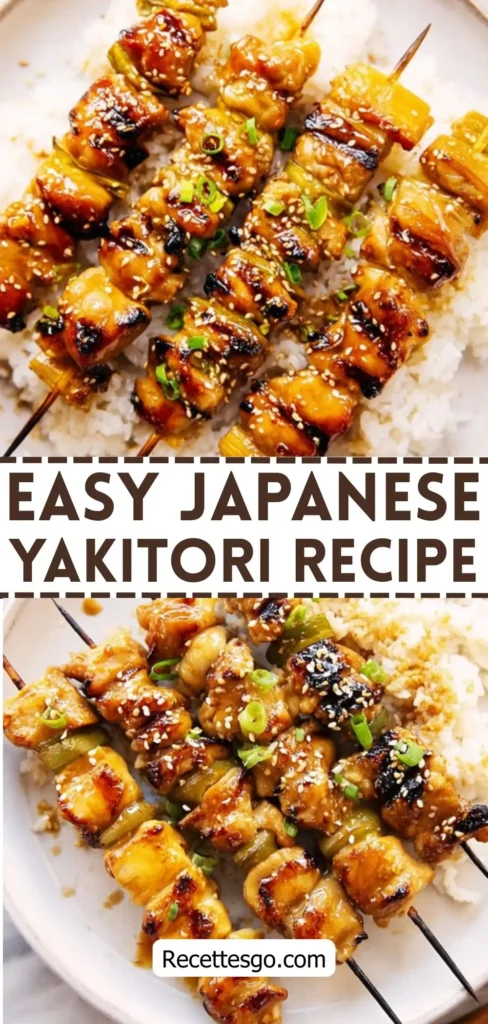

Let’s be real for a second: there is something borderline hypnotic about meat on a stick. I don’t know if it’s some primal instinct left over from our cave-dwelling ancestors or just the fact that food tastes 20% better when you don’t need a fork, but skewers are the elite tier of snacking. And when we’re talking about Yakitori, we aren’t just talking about “snacks.” We are talking about salty, sweet, charred-to-perfection chicken glory.
The first time I tried authentic Yakitori, I was tucked away in a tiny piss alley (yes, that’s actually what they call it—Omoide Yokocho) in Shinjuku, Tokyo. The air was so thick with the smell of charcoal and soy sauce you could practically eat the atmosphere. I watched this master chef flip skewers with the speed of a dealer at a Vegas blackjack table. One bite of that glossy, glazed chicken and I was a changed person.
I came home determined to recreate that vibe. And guess what? You don’t need a specialized Japanese charcoal grill or a plane ticket to Japan to get those deep, caramelized flavors. You just need a solid Tare (that’s the sauce, pronounced tah-ray) and a little bit of patience.
Why You’ll Fall in Love with This Recipe
I’ve tried a lot of “easy” versions of this, but most of them fall flat because they skip the authentic stuff. This recipe doesn’t. We’re using the “Holy Trinity” of Japanese cooking: Soy sauce, Mirin, and Sake.
If you’re standing in the grocery aisle wondering if you can just use extra sugar instead of mirin—stop! Put the sugar down. Mirin gives you that professional, mirror-like shine on the chicken that makes people think you’ve been training in a Michelin-starred kitchen.
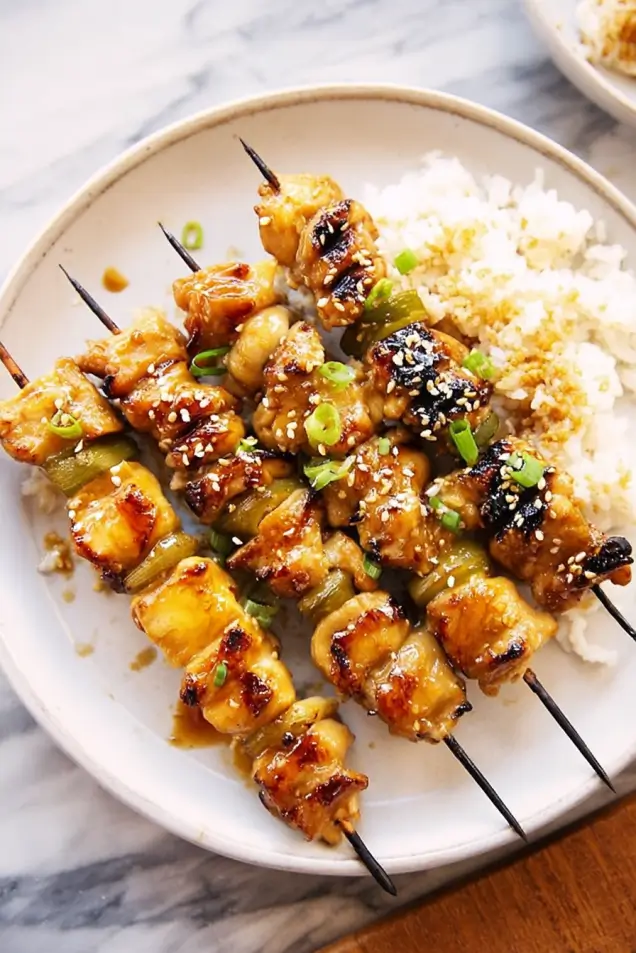
It’s All About the “Tare” (The Secret Sauce)
The Tare is the soul of Yakitori. It’s not just a marinade; it’s a glaze, a dipping sauce, and a liquid gold hug for your chicken thighs. We’re simmering it down with smashed garlic, fresh ginger, and the dark green tops of scallions.
Pro tip: When you smell that ginger and garlic hitting the simmering soy sauce, try not to drink it with a spoon. I’ve been tempted. It’s a struggle. But hold firm—it needs to thicken up into a gorgeous slurry so it clings to the meat like it’s holding on for dear life.
Let’s Talk Chicken: Why Thighs Rule
I’m going to be a bit of a “food snob” here for a minute: Use chicken thighs. I know, I know. Some of you love your chicken breasts. But in the high-heat world of broiling and grilling, breast meat turns into a dry, sad eraser faster than you can say “is it done yet?” Chicken thighs have that beautiful fat content that stays juicy under the intense heat of the broiler. Plus, they have more “chicken-y” flavor. Pair them with those crunchy, charred scallion whites, and you’ve got a texture contrast that is basically a party in your mouth.
The Skewer Struggle (And How to Win)
If you’re using bamboo skewers, please—I am begging you—soak them in water. I have definitely skipped this step before, only to have my skewers catch fire in the oven. It turns your dinner party into a fire drill real quick. Thirty minutes of soaking is the difference between a delicious meal and a “why is the smoke alarm screaming” situation.
To Grill or To Broil? That is the Question.
The beauty of this recipe is that it’s totally weather-proof.
- The Grill Method: If it’s a gorgeous Saturday and you’ve got a cold drink in your hand, fire up the grill. You get that smoky, charred flavor that is classic Yakitori.
- The Broiler Method: If it’s raining or you’re feeling a bit lazy (no judgment, we’ve all been there), the broiler is your best friend. It mimics the intense top-down heat of a charcoal grill. Just line your pan with foil because that sugar-heavy sauce will burn onto your baking sheet, and nobody wants to spend an hour scrubbing pans.
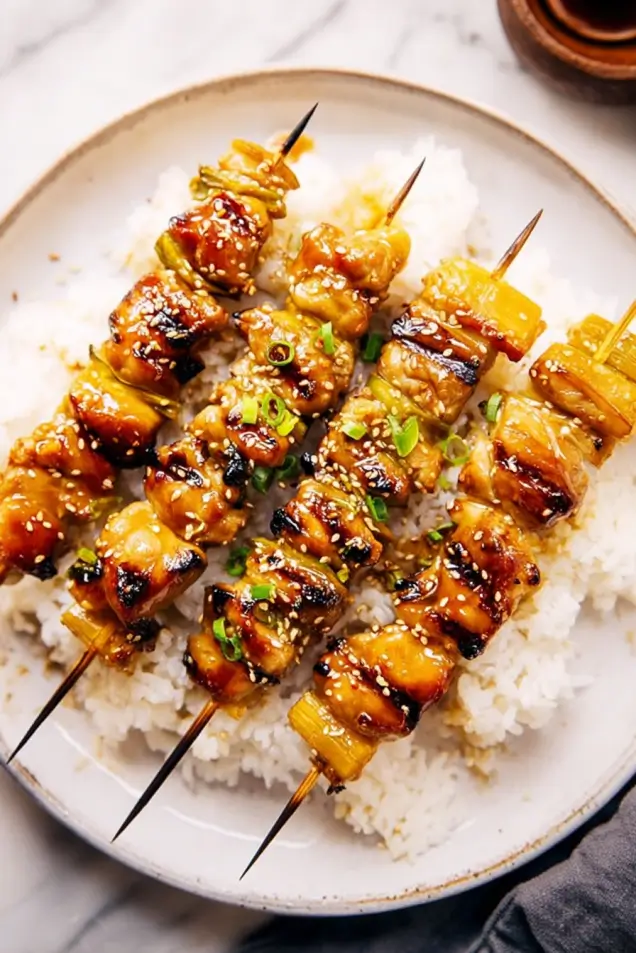
The Art of the Glaze
Timing is everything. You don’t want to put the sauce on too early, or the sugar will burn before the chicken is cooked. You want to cook the meat most of the way through first, then start the basting process.
Flip, brush, sizzle. Flip, brush, sizzle. You’re looking for those dark, “is-it-burnt-or-is-it-flavor” spots. (Spoiler: It’s flavor). That caramelization is where the magic happens.
Make it a Meal
While you can absolutely stand over the counter and eat these directly off the sticks (guilty!), they are amazing over a bowl of fluffy white rice. Drizzle that reserved sauce over the rice, sprinkle some toasted sesame seeds on top, and maybe a little shichimi togarashi (Japanese seven-spice) if you like a kick.
A Note on Those Sesame Seeds
Don’t just shake them out of the jar. Take two minutes—literally 120 seconds—to toast them in a dry pan. They go from “bland little dots” to “nutty, crunchy flavor bombs.” Just watch them like a hawk; they go from golden to burnt in the blink of an eye.
Why This Recipe Works for Busy People
The best part? You can prep this ahead of time. You can make the sauce three days in advance. You can even skewer the chicken the night before. When you get home from work, all you have to do is turn on the broiler and spend 10 minutes glazing. It’s fancy enough for guests but easy enough for a “I can’t deal with life today” Tuesday.
So, grab your skewers, put on your favorite playlist, and let’s make some Yakitori. Your kitchen is about to smell like the best street food stall in Tokyo.
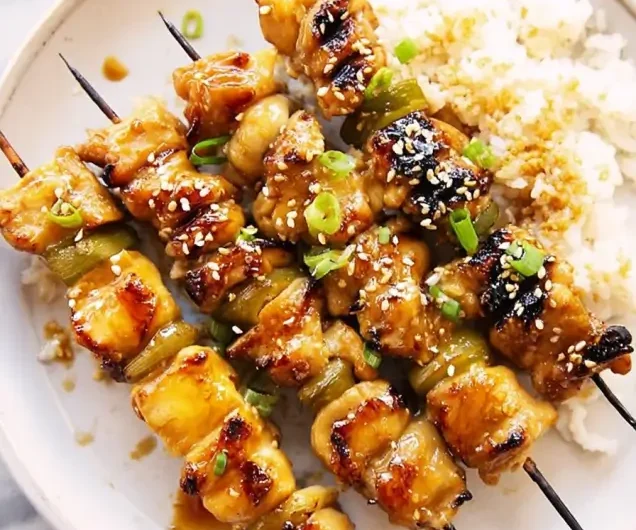
Yakitori
6
servings20
minutes15
minutes288
kcalIngredients
Soy Sauce: ¾ cup
Mirin (Sweet Rice Wine): ¼ cup + 2 tablespoons
Sake: ¼ cup + 2 tablespoons
Light Brown Sugar: ¼ cup + 2 tablespoons, packed
Fresh Ginger: 1-inch piece, peeled and sliced
Garlic: 2 cloves, peeled and smashed
Scallions: 1 bunch (dark green parts for the sauce; light green parts for the skewers)
Cornstarch Slurry: 1 tablespoon cornstarch mixed with 1 tablespoon cold water
Chicken Thighs: 2 lbs boneless, skinless, cut into 1-inch (2.5-cm) pieces
Skewers: 8 to 10 metal or bamboo (soak bamboo in water for 30 minutes prior to use)
Sesame Seeds: Optional for serving (toasted recommended)
Directions
- Prepare the Tare (Sauce)
In a small saucepan, whisk together the soy sauce, mirin, sake, brown sugar, ginger, garlic, and the dark green parts of the scallions. Bring the mixture to a gentle boil, then lower the heat and simmer uncovered for 5 minutes. Use a slotted spoon to remove and discard the aromatics (ginger, garlic, and scallions). Stir in the cornstarch slurry and simmer for an additional 1 to 2 minutes until the glaze is thick enough to coat the back of a spoon. Set aside 1 cup of sauce for serving and use the remainder for basting. - Assemble the Skewers
Cut the light green sections of the scallions into 1-inch pieces. Thread the chicken and the scallions (widthwise) onto your skewers, alternating between the meat and the vegetables. - Cook the Yakitori
To Broil: Line a baking sheet with heavy-duty aluminum foil. Place the skewers in a single layer. Broil 4 to 6 inches (10 to 15 cm) from the heat source for 5 minutes per side. Brush the tops with sauce and broil for 1 to 2 minutes until caramelized. Flip, baste the other side, and broil for another 1 to 2 minutes until fully glazed and cooked through.
To Grill: Preheat your grill to medium-high and lightly oil the grates. Grill the skewers for 4 to 5 minutes per side. Begin basting with the sauce and continue cooking for a few more minutes, flipping and basting once or twice more, until the chicken is caramelized and cooked through. - Serve
Move the skewers to a serving platter. Drizzle with a portion of the reserved serving sauce and garnish with sesame seeds if desired. Serve immediately with the remaining sauce on the side for dipping.
Note: If you wish to reuse the basting sauce for dipping, you must bring it to a full boil for at least 1 minute first.
Notes
- Sake vs. Mirin: While both are Japanese rice wines, they serve different roles. Sake is a dry beverage often found in liquor sections, while Mirin is a sweetened cooking wine found in the international aisle.
- Toasting Sesame Seeds: Heat seeds in a dry skillet over medium heat for 2 to 3 minutes, shaking the pan constantly until fragrant. Transfer to a plate immediately to prevent burning.
- Make-Ahead Tip: You can prepare the tare up to 3 days in advance (refrigerate). Skewers can be assembled several hours early and kept tightly wrapped in the fridge. For the best results, always grill and baste right before eating.