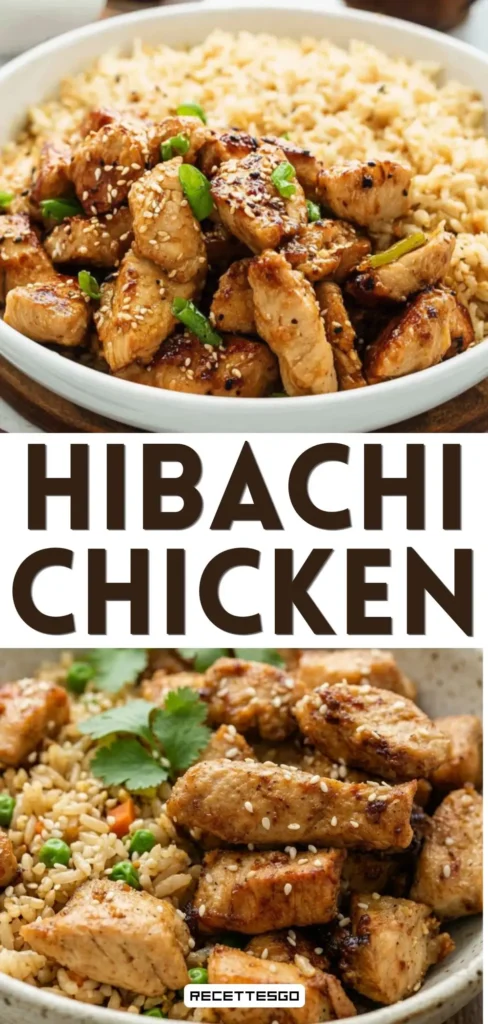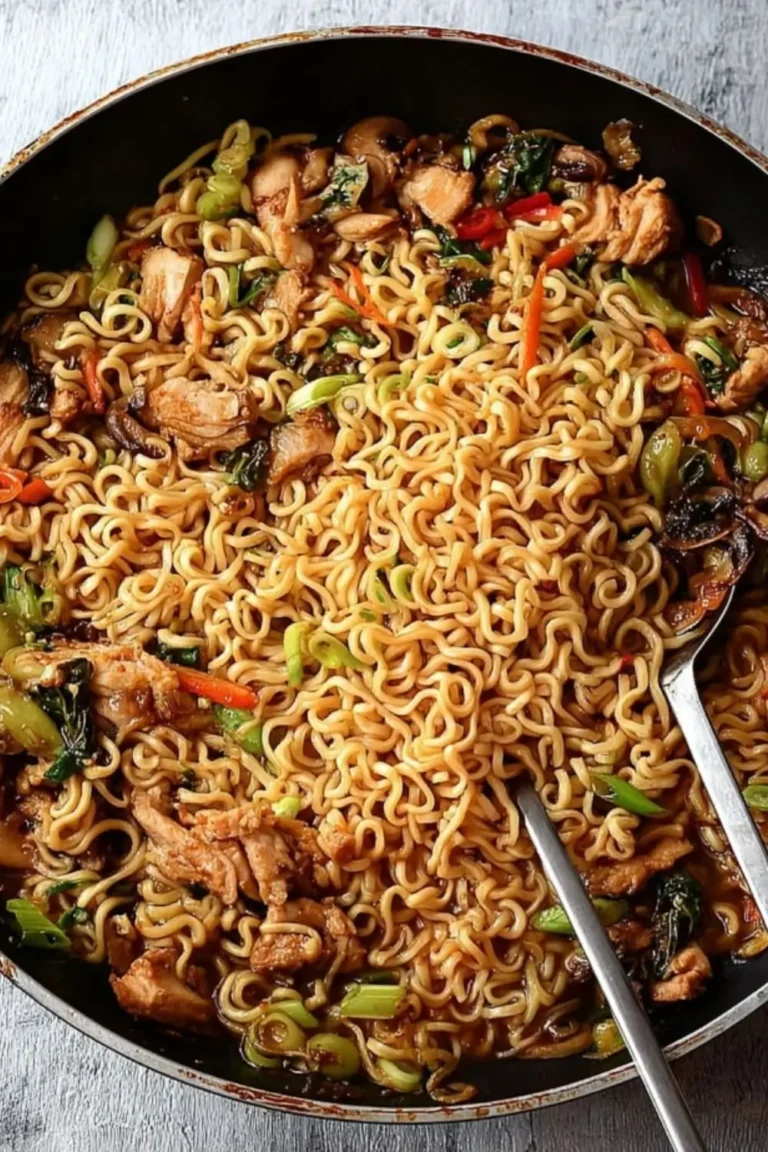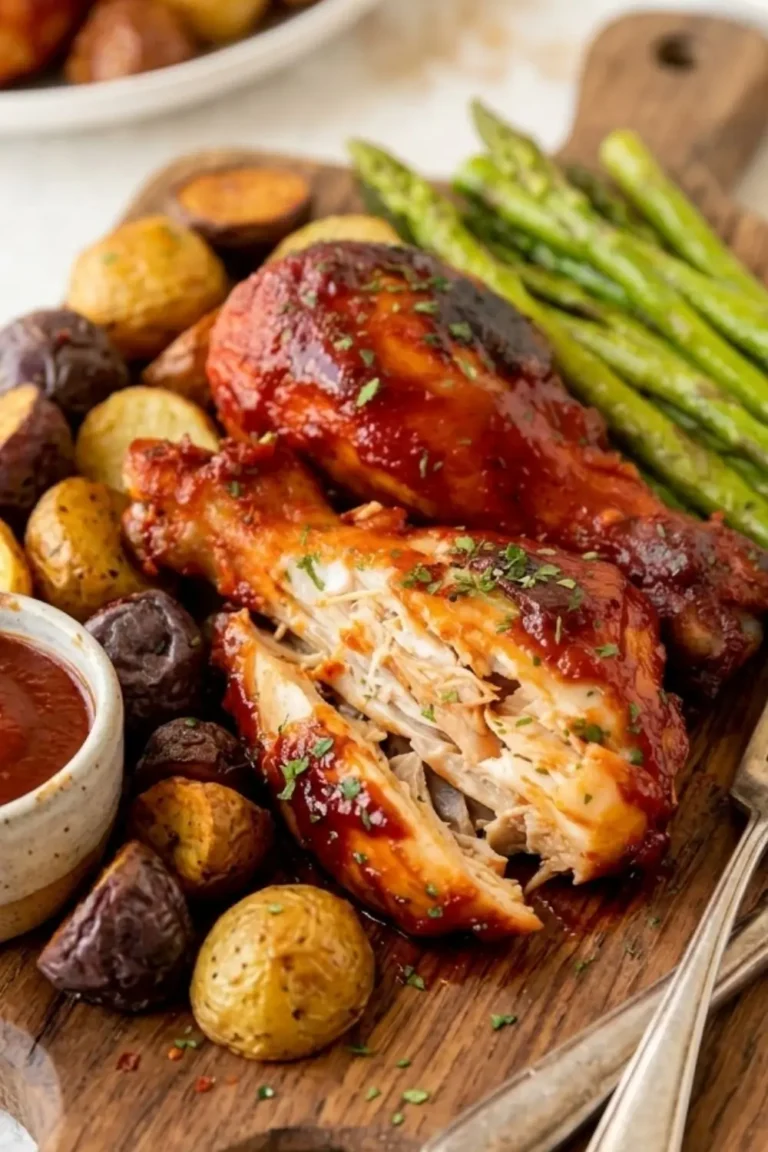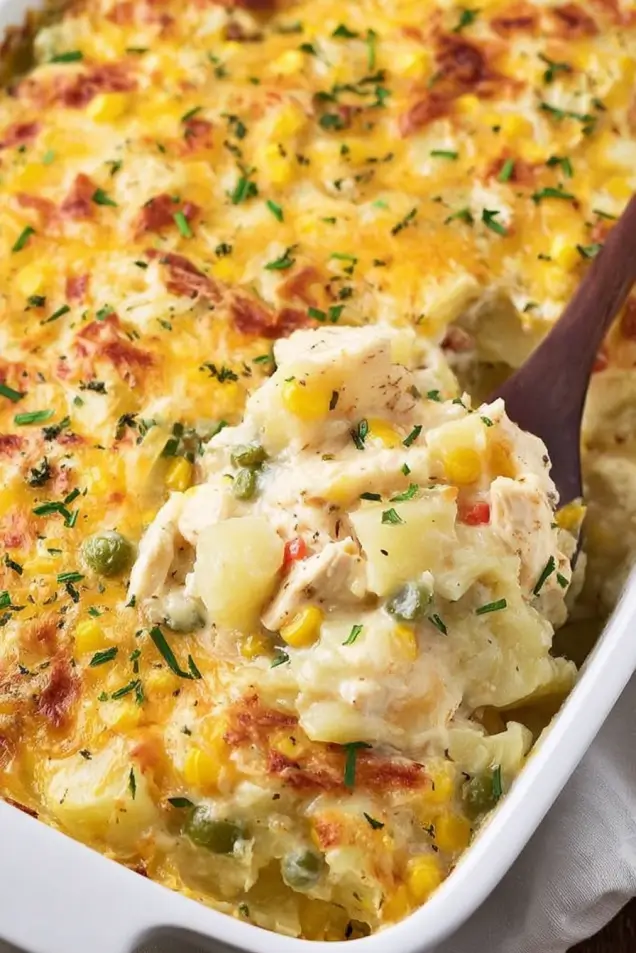

Okay, real talk — there’s something almost theatrical about hibachi. You know that feeling when the chef at your favorite Japanese steakhouse sends a little onion volcano up in flames and everyone at the table gasps like they’ve never seen fire before? Yeah. That joy is real. And the food? Even more real.
The thing is, you don’t need a teppanyaki grill, a tall white chef’s hat, or a reservation to get that same incredible flavor at home. This hibachi chicken recipe brings everything you love about restaurant-style chicken hibachi — the savory, buttery, slightly smoky taste — right into your own kitchen with a regular skillet and about 30 minutes of your time.
I started making this on a random Tuesday when I was craving takeout but also very much did not want to spend $40 on delivery. One batch later, I was completely obsessed. Now it’s in our regular dinner rotation, no questions asked.
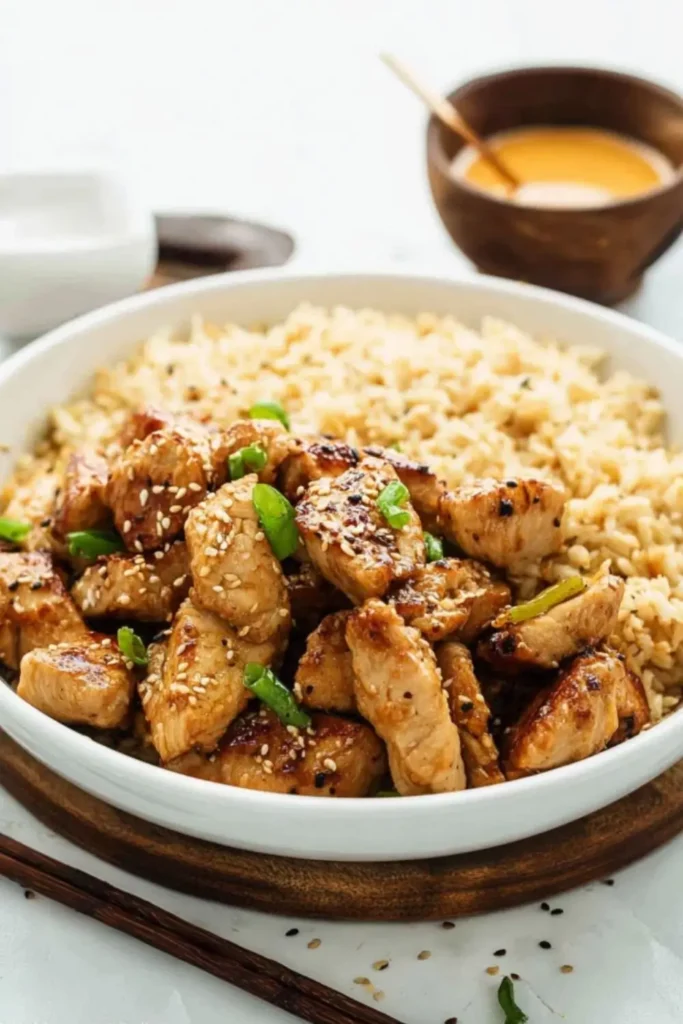
Why This Chicken Hibachi Recipe Actually Works
A lot of “copycat” recipes out there promise the world and deliver something that tastes vaguely like soy sauce on plain chicken. This one is different, and here’s why.
The magic lives in two things: the marinade and the high heat. That short 15–20 minute soak in soy sauce, sesame oil, and seasoning does so much heavy lifting. The sesame oil gives it that warm, nutty depth that instantly reads as “hibachi” to your taste buds. The soy sauce brings in umami and helps with that gorgeous browning you see on restaurant-style chicken.
Then comes the butter. Oh, the butter. Adding it toward the end and tossing the chicken in it as it melts — that’s the move. It creates this rich, glossy finish that makes the chicken look and taste like something way more complicated than it actually is.
And the garlic? Don’t even get me started. Minced garlic hitting a hot oiled pan is one of the best smells in the entire universe. Fact.
The High Heat Secret (Don’t Skip This)
If there’s one thing I want you to walk away knowing, it’s this: get your pan HOT. Like, properly hot. Medium-high heat, fully preheated before the oil even goes in.
Hibachi cooking is all about speed and sear. That high heat is what gives the chicken those slightly charred, caramelized edges that make it taste so different from your average sautéed chicken. If your pan isn’t hot enough, you’ll end up steaming the chicken instead of searing it, and honestly, that’s a little heartbreaking.
The “Leave It Alone” Rule
This is the part where most people (myself included, in my early days) go wrong. Once the chicken hits the pan, you really have to resist the urge to constantly poke it, stir it, and flip it around. I know. It’s hard. It feels like you should be doing something.
But here’s the deal — to get that beautiful golden-brown crust, the chicken needs uninterrupted contact with the hot surface. Give each side a solid 2–3 minutes. Walk away. Scroll your phone. Do a little dance. Just don’t touch it. You’ll be so glad you waited.
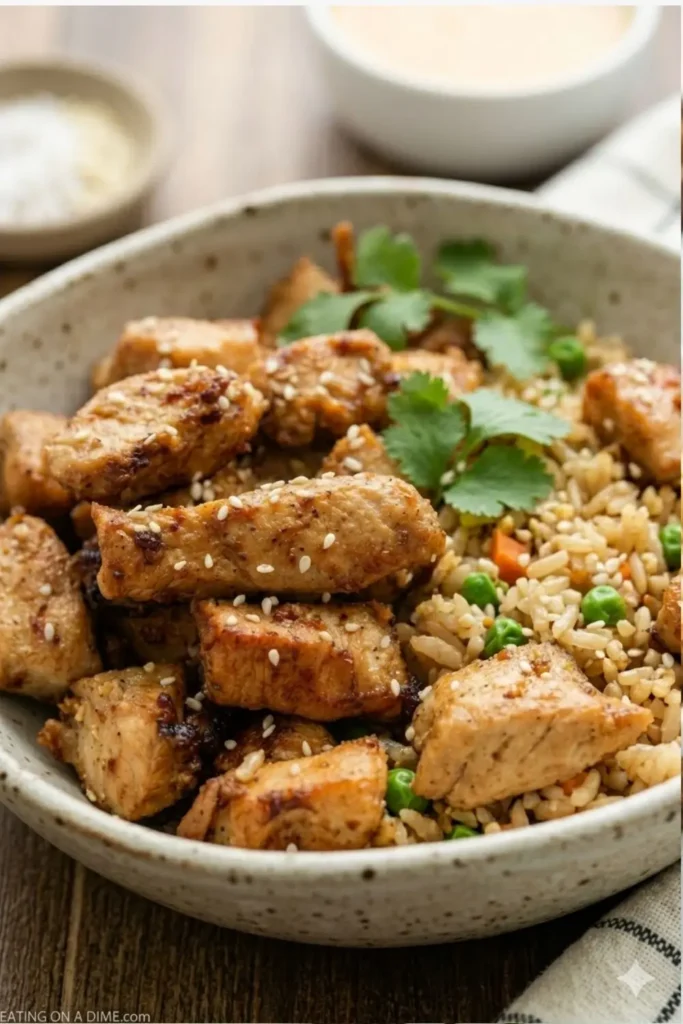
Make Hibachi Chicken Gluten-Free (Easy Swap!)
This is one of my favorite things about this recipe — it’s so easy to adapt. If you’re cooking for someone who avoids gluten, just swap out the soy sauce for coconut aminos. It’s a slightly sweeter, mellower alternative that still brings that savory depth without the gluten. Most grocery stores carry it now, and honestly, some people prefer it even when gluten isn’t a concern.
For the oil, you’ve got options too. Avocado oil is my personal go-to because of its high smoke point (important when you’re cooking on high heat), but vegetable oil, canola oil, or peanut oil all work just as well. Use what you’ve got.
What to Serve With Your Hibachi Chicken
Okay, here’s where things get fun. A chicken hibachi recipe is incredible on its own, but the sides are what make it feel like a full hibachi experience.
My personal favorites:
- Hibachi fried rice — This is basically non-negotiable in my house. Day-old rice, eggs, soy sauce, butter, and scallions. Simple and absolutely perfect.
- Hibachi vegetables — Zucchini, onions, and mushrooms cooked on high heat with butter and soy sauce. They caramelize beautifully and pair so well with the chicken.
- Yum Yum sauce — That creamy, slightly tangy pink sauce from the restaurant? You can make it at home with mayo, ketchup, garlic, and a few other pantry staples. Dip everything in it. No regrets.
- Steamed white rice — Sometimes simple is the move. A pile of fluffy jasmine rice under this chicken is pure comfort.
Honestly, put it all together on one plate and you’ve got a dinner that looks impressive enough to serve guests but is easy enough for a random weeknight. That’s the dream, right?
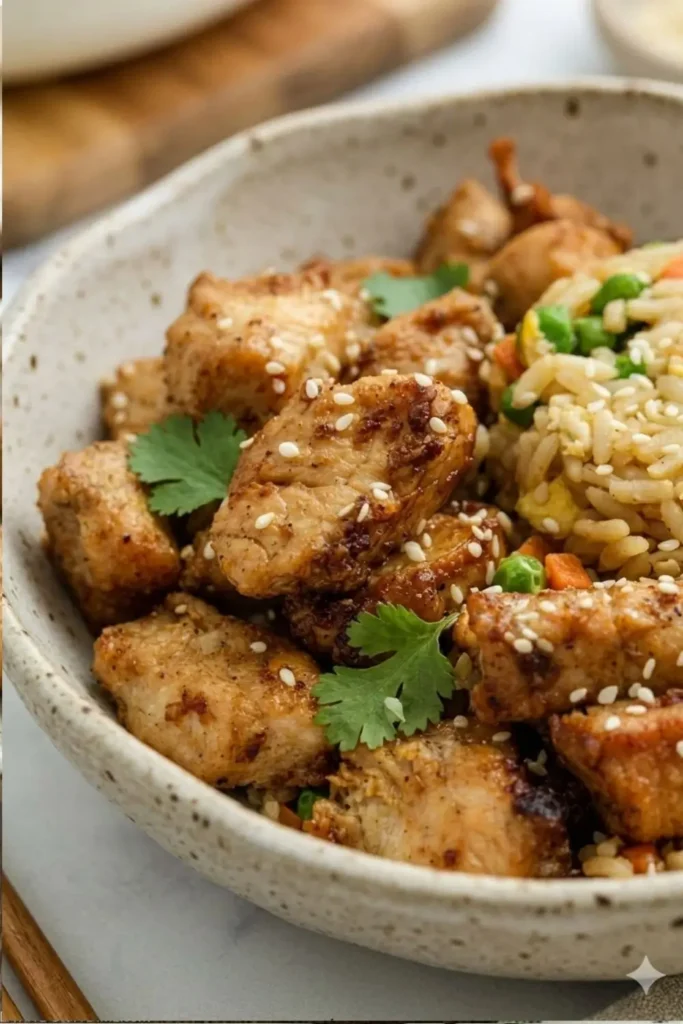
Tips to Make the Best Hibachi Chicken Recipe Every Single Time
I’ve made this probably dozens of times at this point, so let me save you from a few rookie mistakes.
Don’t skip the marinade time
I know 15–20 minutes feels like forever when you’re hungry, but it genuinely makes a difference. The chicken soaks up so much flavor in that short window. If you want to prep ahead, you can even marinate it in the morning and leave it in the fridge — it’ll be even more flavorful by dinner time.
Cut the chicken evenly
Aim for roughly 1-inch pieces, and try to keep them as uniform as possible. This isn’t about being fancy — it’s practical. Even-sized pieces cook at the same rate, so you’re not dealing with some chunks that are overdone while others are still pink in the middle.
Use a meat thermometer
I know, I know. But cooking chicken to an internal temperature of 165°F is the safest way to make sure it’s cooked through without drying it out. Especially with high-heat cooking, it’s easy to pull it too early or leave it too long. A quick temp check takes two seconds and saves the whole dish.
Cast iron is your best friend
If you have a cast iron skillet, this is its moment. Cast iron holds heat exceptionally well, which means when you add the chicken, the temperature doesn’t drop dramatically — you keep that consistent, intense heat that creates the sear. A stainless steel skillet works well too. Non-stick pans can do the job, but they won’t give you quite the same browning.
The Kind of Recipe You’ll Make on Repeat
What I love most about this chicken hibachi recipe is how it manages to feel special without being complicated. It’s fast, it’s flavorful, it uses ingredients you probably already have, and it delivers that “wait, did you order from somewhere?” reaction from whoever’s eating it.
Whether you’re feeding a picky five-year-old, impressing a date, or just treating yourself to something delicious on a random Thursday, this one delivers every time. And once you’ve made it a few times, you’ll have the whole thing down by heart — no recipe card needed.
So the next time that hibachi craving hits (and it will), skip the reservation and head to your kitchen instead. Your skillet is ready. The butter is waiting. Let’s get cooking.
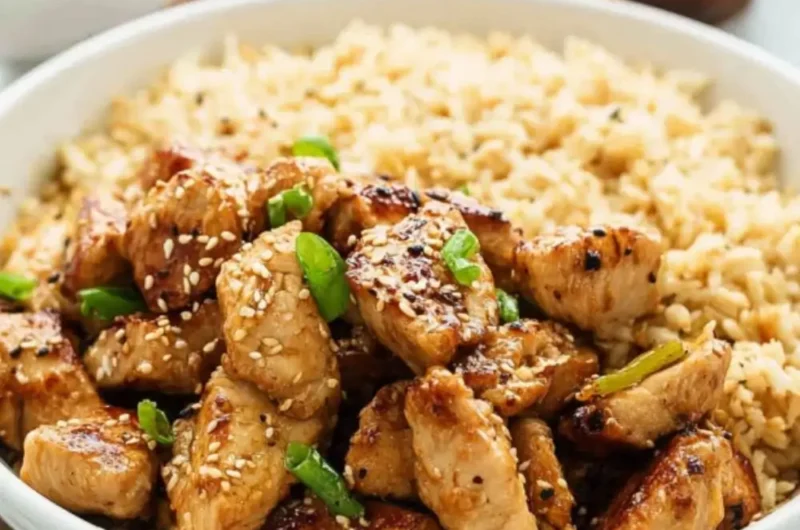
Hibachi Chicken Recipe
4
servings25
minutes10
minutes239
kcalThis hibachi chicken recipe shows you exactly how to make hibachi chicken at home with simple ingredients!
Ingredients
1 lb chicken breasts, cut into 1-inch chunks
2 tbsp soy sauce
2 tsp sesame oil
1 tsp onion powder
½ tsp black pepper
½ tsp salt
1 tbsp avocado oil
3 garlic cloves, minced (or 1 tbsp pre-minced garlic)
2 tbsp butter
Directions
- Grab a medium bowl and whisk together the soy sauce, sesame oil, onion powder, salt, and pepper until combined.
- Toss in the chicken pieces, making sure they’re well coated. Let everything sit and marinate for 15–20 minutes.
- Set a large skillet, griddle, or cast iron pan over medium-high heat and let it get fully hot.
- Pour in the avocado oil and allow it to heat through.
- Add the minced garlic and the marinated chicken to the pan in a single layer.
- Sear the chicken undisturbed for 2–3 minutes per side until each side develops a deep golden-brown crust.
- Drop in the butter, then toss the chicken continuously as it melts, coating every piece. Keep cooking until the chicken is fully done — an internal temperature of 165°F.
- Take the pan off the heat and serve immediately alongside your favorite hibachi-style sides.
Notes
- Oil substitutes: Avocado oil can be swapped for canola, vegetable, or peanut oil — all work well at high heat.
- Don’t rush the sear: Once the chicken hits the pan, leave it alone. Resist flipping or stirring too early. Give it a few uninterrupted minutes per side to build that proper brown crust — that’s where the flavor is.
- Serving suggestion: This chicken is excellent over steamed white rice with a side of hibachi-style sautéed vegetables.
- Gluten-free option: Replace the soy sauce with coconut aminos for an equally delicious, gluten-free version.