
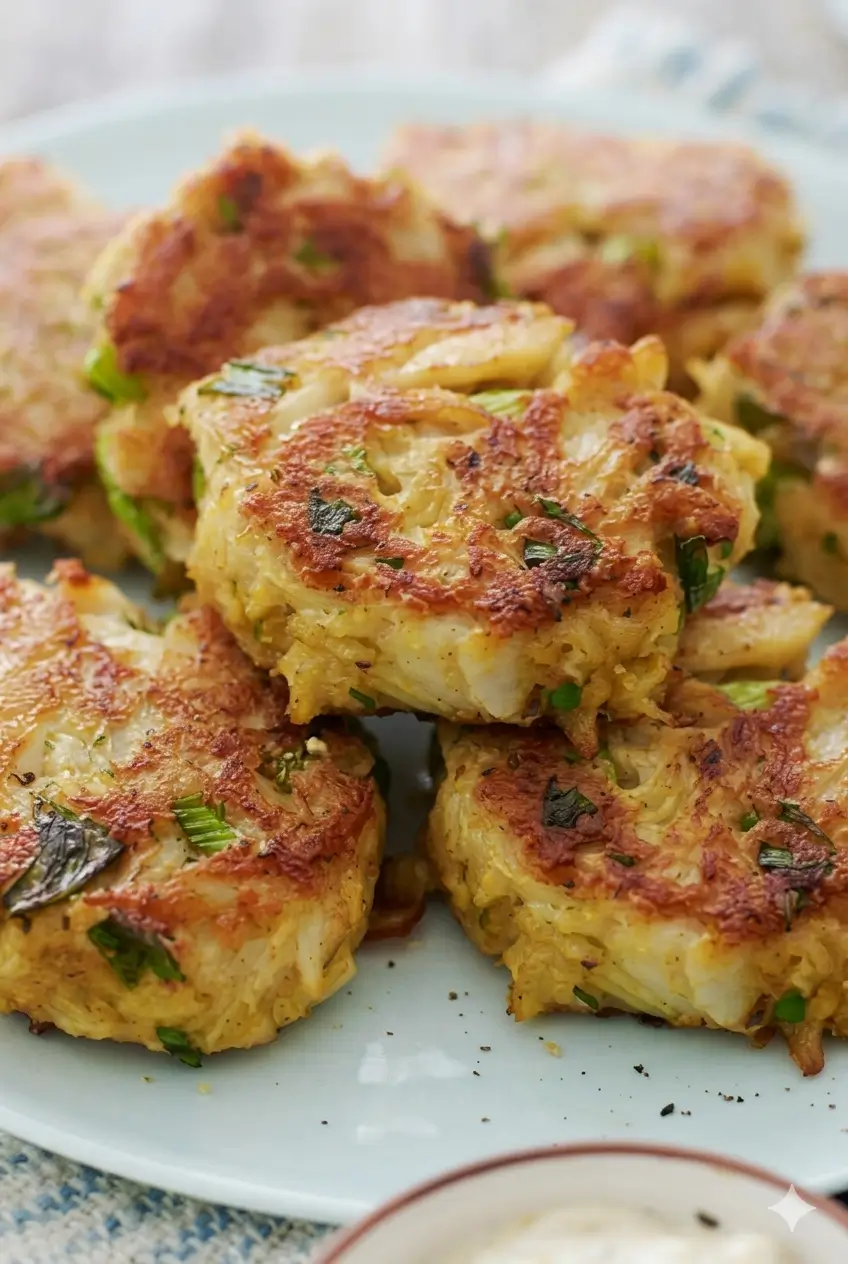
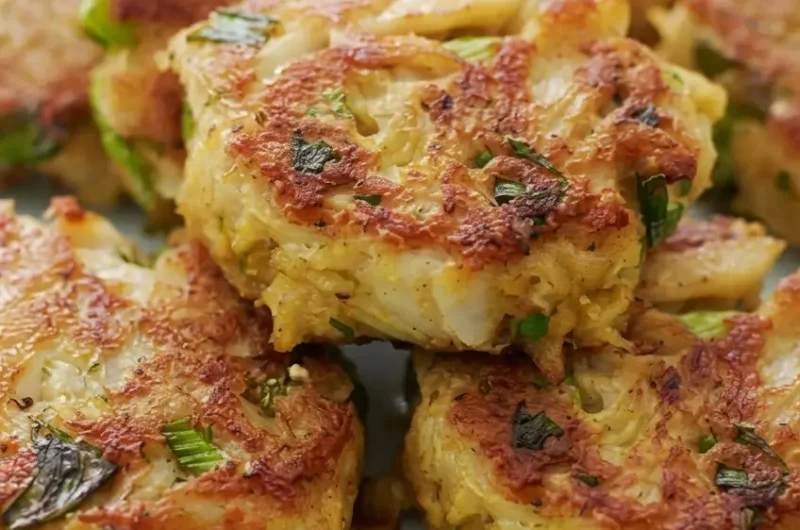
Okay, real talk — I have strong opinions about crab cakes. Like, unreasonably strong opinions for someone who didn’t grow up on the Chesapeake Bay. But the first time I tried an authentic maryland crab cake recipe, something clicked. It wasn’t the kind of hockey-puck, bread-stuffed crab cake you find at a random seafood chain. It was golden, crispy on the outside, barely held together on the inside, and just loaded with sweet lump crab. I honestly stood in the kitchen eating one over the sink before it even made it to the plate. No regrets.
If you’ve been searching for the real deal — the kind of maryland crab cakes recipe that locals would actually approve of — you’re in the right place. Let’s get into it.
What Makes Maryland Style Crab Cakes Actually Different?
This is the question, isn’t it? Because if you’ve ever had a bad crab cake, you know exactly what went wrong — too much filler, not enough crab. It ends up tasting like a seasoned bread ball with a few shreds of seafood thrown in as an afterthought. Hard pass.
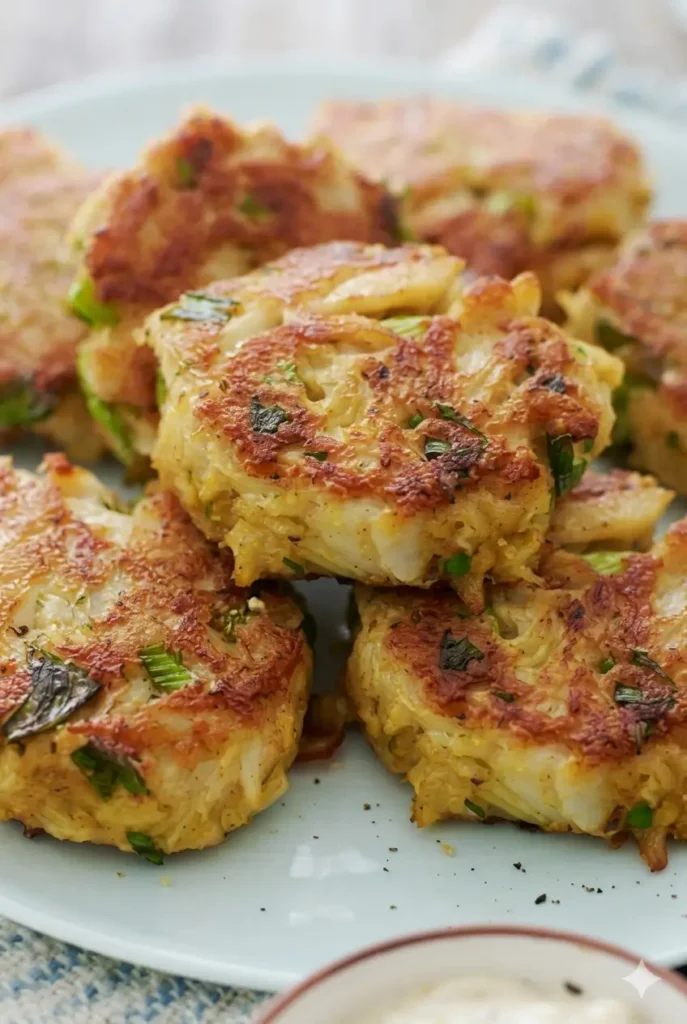
Maryland style crab cakes are built on a completely different philosophy. The crab is the star. Everything else — the egg, the mayo, a bit of panko, the seasoning — exists purely to support the crab, not compete with it. The ratio is almost aggressively crab-forward, and that’s the whole point.
And then there’s Old Bay. If you’ve never used Old Bay seasoning before, welcome to one of the great joys of East Coast cooking. It’s a blend of celery salt, paprika, black pepper, cayenne, and a bunch of other spices that somehow just tastes like the coast. It’s the secret weapon in every proper crab cakes from baltimore maryland recipe, and skipping it would be a genuine tragedy.
The Crab Meat Question (This Part Actually Matters)
Here’s where a lot of people trip up, and I want to save you the heartbreak. Not all crab meat is created equal.
For this recipe, you want lump crab meat. It’s the big, beautiful chunks from the body of the crab, and it gives your crab cakes that gorgeous, textured bite that makes people go quiet at the dinner table in the best possible way. Jumbo lump works too, but if the pieces are enormous, you’ll want to gently break them up a little — otherwise the cakes won’t hold together, and you’ll end up with a crab scramble (still delicious, but not exactly the goal here).
Fresh crab is obviously the dream, but high-quality refrigerated or pasteurized lump crab meat works beautifully too. What you want to avoid is the canned stuff from the shelf-stable aisle. Just… don’t. Your crab cakes deserve better.
Oh, and always — always — pick through the crab meat for any stray bits of cartilage or shell before mixing. Nothing ruins a perfect bite like an unexpected crunch.
The Chilling Step: Don’t Skip This
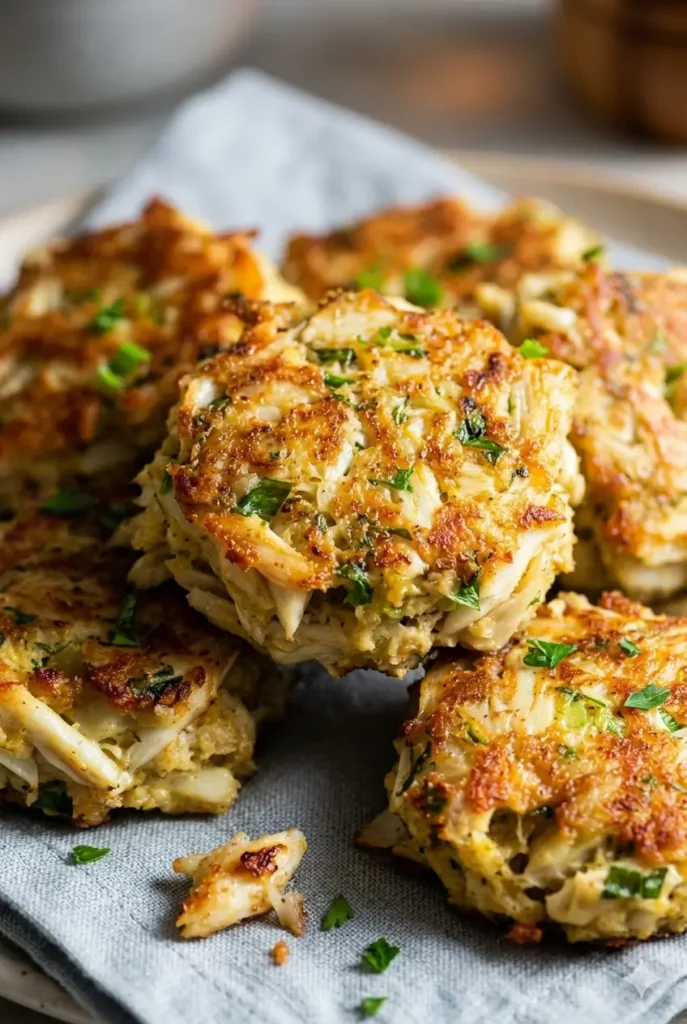
I know, I know. You’ve made the mixture, it smells incredible, and you just want to cook them right now. I feel that. But refrigerating the formed crab cakes for at least an hour before cooking is genuinely important, not just a suggestion.
That resting time lets everything firm up so your crab cakes hold their shape when they hit the pan. Skip it, and you’ll end up with something more like a crab puddle — which, again, tastes fine, but isn’t the beautiful golden disc you’re going for. An hour in the fridge is the difference between impressive and embarrassing.
The good news? This makes them incredibly meal-prep friendly. You can form them the night before, cover them, and let them chill overnight. Then it’s just a quick pan-fry away from a really impressive dinner.
Pan-Frying vs. Baking: The Great Debate
Some people bake their crab cakes, and I respect their choice, but I’m firmly in the pan-fry camp. Here’s why: that golden, slightly crispy crust you get from a hot pan with a little oil is something the oven simply cannot replicate. The outside gets this gorgeous caramelized edge while the inside stays tender and juicy. It’s a textural thing, and it matters.
The key is patience. Medium heat, hot oil, and you don’t touch them until they’re ready to flip. Three to five minutes per side, and you’re golden — literally. Just be careful of oil splatter, because hot oil has absolutely no chill.
The Tartar Sauce Situation
Look, you could use store-bought tartar sauce. I won’t judge you. But the homemade version here takes about four minutes and genuinely elevates the whole plate. It’s creamy, a little tangy from the lemon juice, with just enough sweetness from the pickle relish to balance everything out.
Make it a day ahead and let it sit in the fridge — the flavors get even better as it chills. It’s the kind of simple extra step that makes people think you really know what you’re doing in the kitchen, even if you were also watching TV while making it.
When to Make This Maryland Crab Cakes Recipe
Honestly? Any time. But this recipe really shines for:
- Summer dinners on the patio — these feel festive and special without being fussy
- Date nights at home — way more impressive than ordering in
- Holiday appetizers — make smaller cakes and serve them as passed bites
- Anytime you want to feel like you’re eating lunch on the Inner Harbor in Baltimore — which, if you’ve been there, you know is a very specific and wonderful feeling
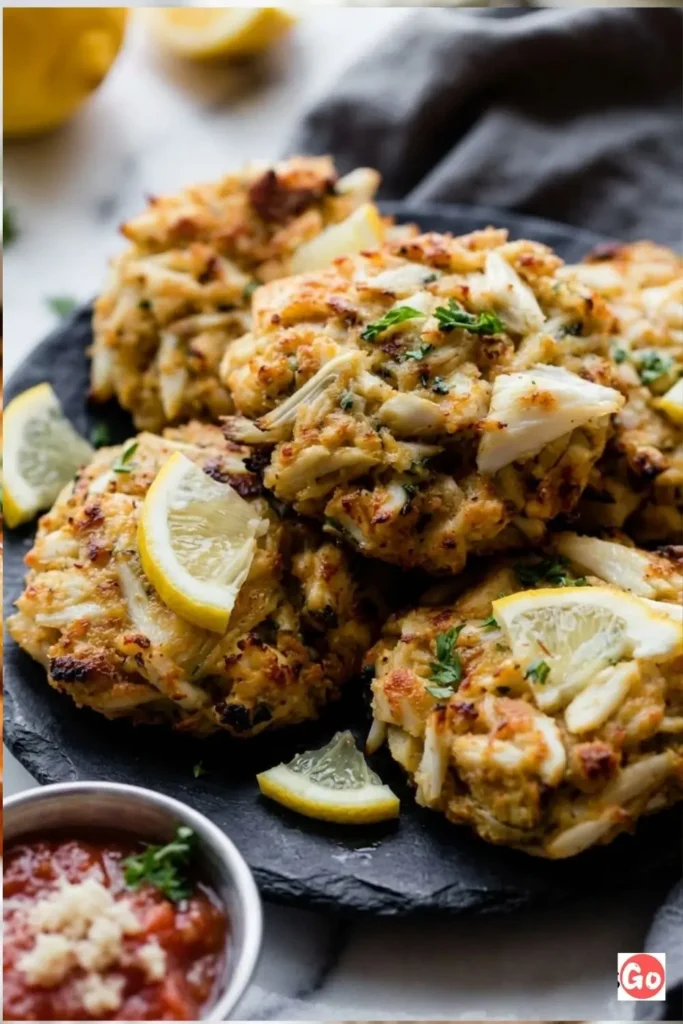
The crab cakes from baltimore maryland tradition is all about celebrating the ingredient itself — simple preparation, quality crab, good seasoning, and not overthinking it. That’s it. That’s the whole secret.
A Few Final Tips Before You Dive In
Be gentle with the crab. I mean it. When you’re folding the crab into the mixture, use a light hand. You want the crab to stay in big, beautiful chunks, not get mashed into a paste. A rubber spatula and a soft folding motion is all you need.
Use good mayo. This isn’t the time for the store-brand stuff. Hellmann’s or Duke’s makes a real difference in both the crab cakes and the tartar sauce — they’re richer and more flavorful than generic versions.
And finally: serve them warm, right out of the pan, with that cold tartar sauce alongside. That temperature contrast? Chef’s kiss.
This maryland style crab cakes recipe is the kind of thing you make once and then it just becomes part of your permanent rotation. It’s that good. Simple, unfussy, and deeply satisfying — exactly the way a great recipe should be.
Maryland Crab Cake Recipe
6
servings40
minutes15
minutes–
kcalIngredients
- Crab Cakes
2 large eggs
2½ tablespoons mayonnaise (Hellmann’s or Duke’s recommended)
1½ teaspoons Dijon mustard
1 teaspoon Worcestershire sauce
1 teaspoon Old Bay seasoning
¼ teaspoon salt
¼ cup finely diced celery (from one stalk)
2 tablespoons finely chopped fresh flat-leaf parsley
1 lb lump crab meat (see notes)
½ cup panko breadcrumbs
Vegetable or canola oil, for cooking
- Quick Tartar Sauce
1 cup mayonnaise (Hellmann’s or Duke’s recommended)
1½ tablespoons sweet pickle relish
1 teaspoon Dijon mustard
1 tablespoon minced red onion
1–2 tablespoons fresh lemon juice, to taste (from 1 lemon)
Salt and freshly ground black pepper, to taste
Directions
- Crab Cakes
- Line a baking sheet with aluminum foil and set aside.
- In a large bowl, combine the eggs, mayonnaise, Dijon mustard, Worcestershire sauce, Old Bay seasoning, salt, celery, and parsley. Mix until well combined.
- Carefully pick through the crab meat to remove any hard or sharp cartilage. Add the crab meat and panko to the bowl. Using a rubber spatula, gently fold everything together until just combined — take care not to break up the crab meat.
- Divide the mixture into 6 equal portions (roughly ½ cup each) and shape into cakes. Arrange on the prepared baking sheet, cover, and refrigerate for a minimum of 1 hour to allow the cakes to firm up.
- Heat a large nonstick skillet over medium heat and add enough oil to coat the pan. Once the oil is hot, carefully add the crab cakes. Cook until deep golden brown, about 3 to 5 minutes per side. (Caution: oil may splatter.)
- Serve warm alongside the tartar sauce.
- Quick Tartar Sauce
- In a small bowl, whisk together the mayonnaise, sweet pickle relish, Dijon mustard, minced red onion, and lemon juice until smooth.
- Season with salt and freshly ground black pepper to taste.
- Cover and refrigerate until ready to serve.
Notes
- Crab Meat: This maryland crab cakes recipe is best made with lump crab meat. If jumbo lump is all that’s available, break larger pieces apart slightly — oversized clumps can prevent the cakes from holding their shape properly.
- Nutrition: Nutritional values are calculated for the crab cakes only and do not include the tartar sauce.
- Make-Ahead: These maryland style crab cakes can be shaped, covered, and stored in the refrigerator up to one day before cooking. The tartar sauce keeps well for up to 2 days refrigerated.
Recipe Tips
What makes crab cakes from Baltimore, Maryland stand out from other regional versions is the emphasis on the crab itself — minimal filler, a touch of Old Bay, and a light hand when mixing. The key to a great maryland style crab cakes result is the chilling step: don’t skip it. That rest time in the refrigerator is what keeps these cakes together in the pan and gives you that satisfying golden crust without falling apart.
Whether you’re following this maryland crab cake recipe for a weeknight dinner or a special occasion, the technique is straightforward and the results are consistently impressive.
I’m very a xioux to make these crab cakes!