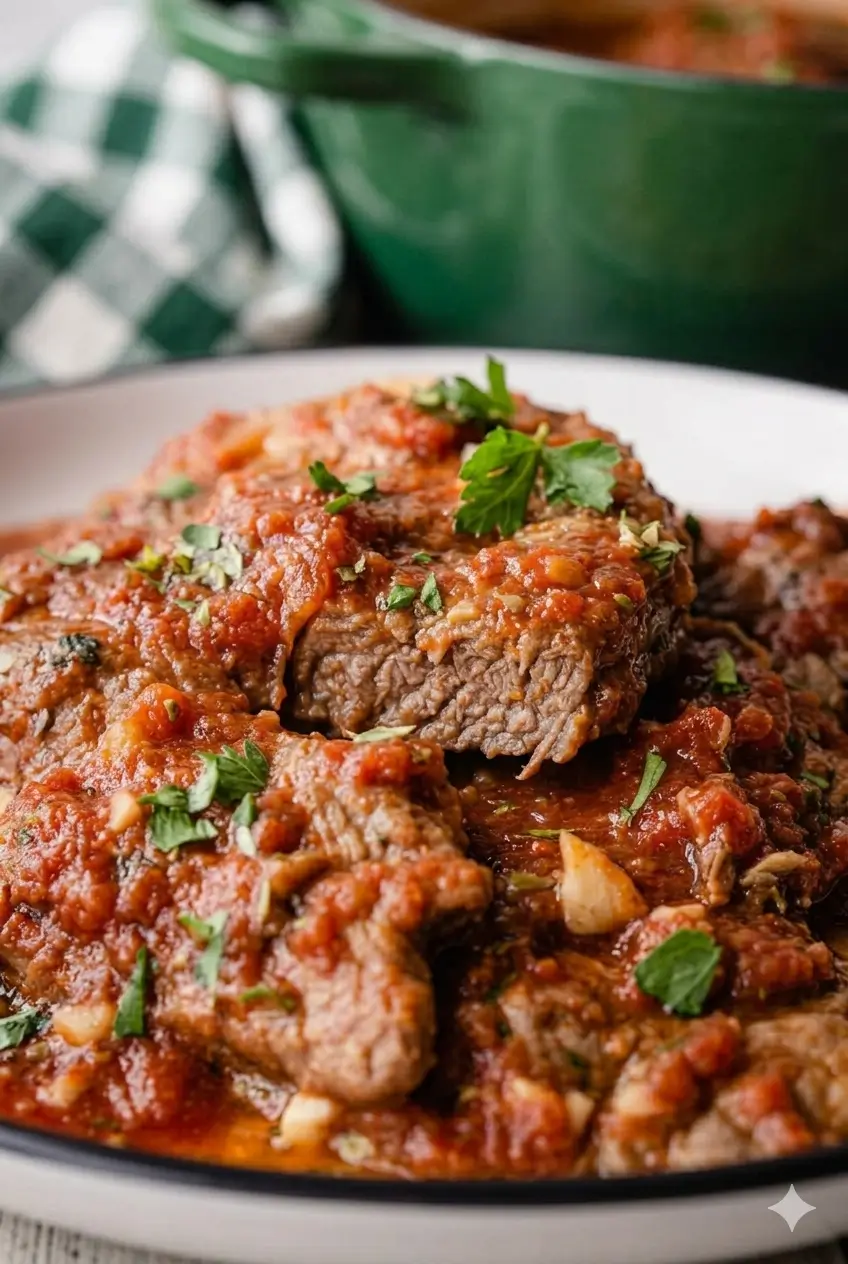
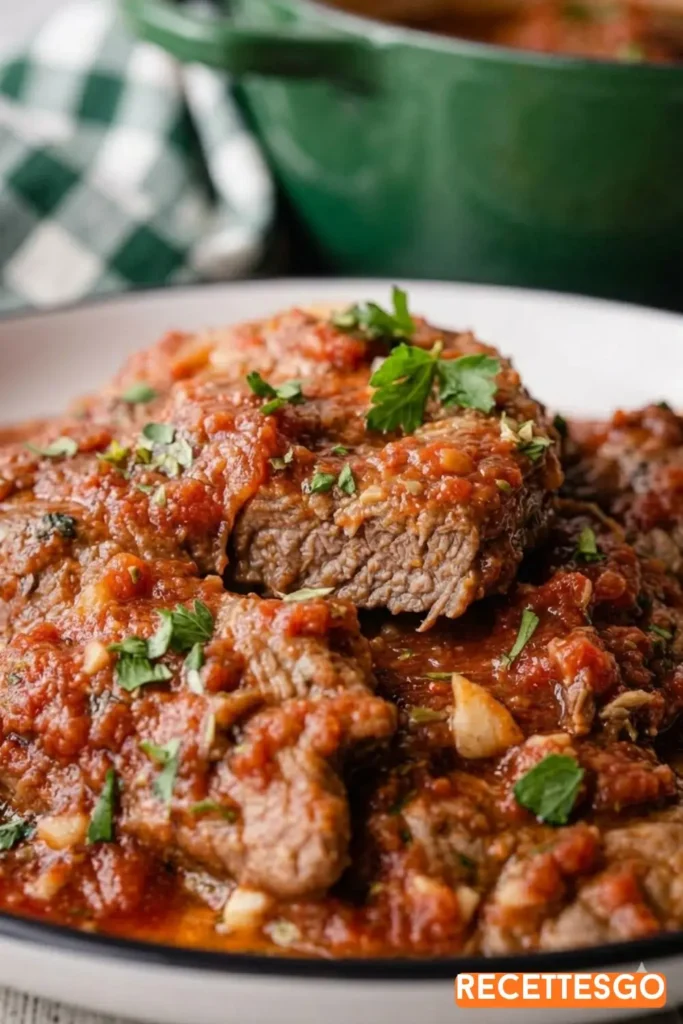
If you’ve never made a steak pizzaiola recipe before, let me just say — you’re about to wonder where this dish has been your whole life. Tender, saucy, garlicky, deeply Italian… and honestly? It comes together in under an hour on a regular weeknight. No fancy skills needed. No weird ingredients. Just real food that tastes like someone’s nonna spent all afternoon on it.
Spoiler: she didn’t. And neither will you.
So, What Even Is Steak Pizzaiola?
Great question. The name pizzaiola literally means “in the style of the pizza maker” — and once you smell it cooking, you’ll totally get it. That combo of tomatoes, garlic, olive oil, and oregano? Pure pizza energy, just poured over a juicy steak instead of dough.
This dish has Neapolitan roots, meaning it comes straight from the Naples region of southern Italy — the same place that gave us, well, pizza. Fitting, right? Traditionally it was a clever way to tenderize tougher, more affordable cuts of beef by simmering them low and slow in a rich tomato sauce. The result is melt-in-your-mouth steak that practically falls apart when you look at it.
Today the beef steak pizzaiola shows up all over Italy, with a hundred different family variations. Some add olives. Some throw in potatoes. Some go spicy. This version? It’s the classic — clean, simple, and absolutely packed with flavor.
Why You’ll Be Making This on Repeat
Let’s be real. Most of us are always hunting for that one recipe that’s impressive enough to feel special but easy enough that you’re not sweating over the stove for three hours. This steak a pizzaiola recipe is exactly that.
- It’s fast. The sauce takes maybe 10 minutes to build. Steak simmers for 20–30 minutes. Done.
- It’s budget-friendly. You don’t need an expensive cut. In fact, cheaper cuts work better here because the slow simmer does all the heavy lifting.
- The sauce is ridiculous. Garlicky, herby, slightly sweet from the tomatoes — and any leftover sauce? Toss it with pasta the next day. You’re welcome.
- It tastes like restaurant food. But it costs a fraction of that, and you made it in your own kitchen. Wins all around.
What You’ll Need
Before we get into the cooking, a few quick notes on ingredients — because the details actually matter here.
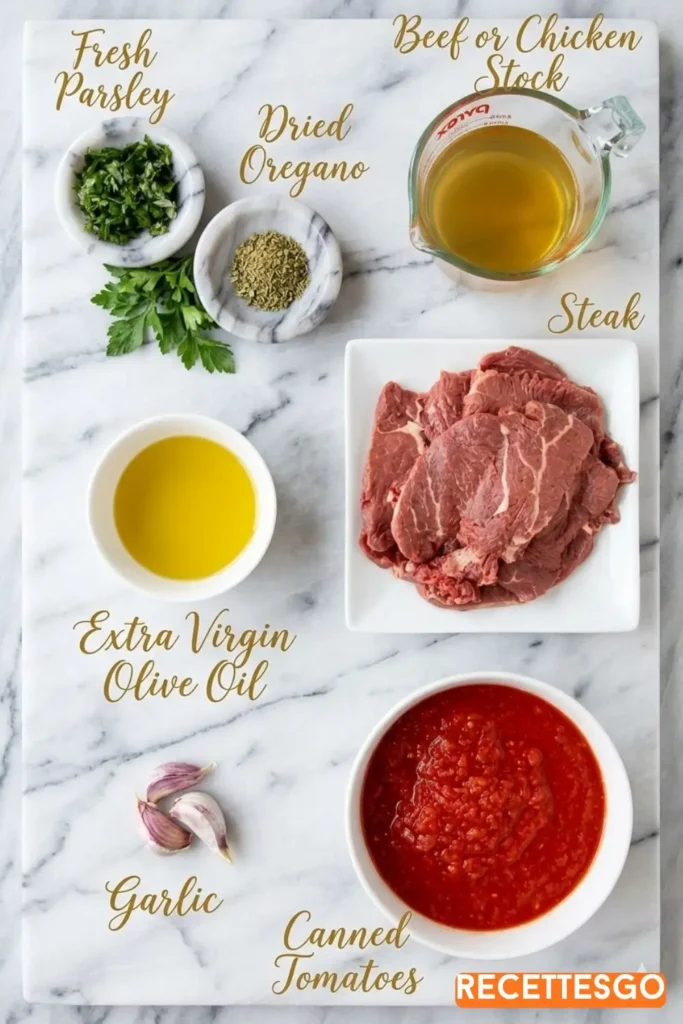
The steak — Go thin. Seriously, this is the most important thing. Sirloin, rump, scotch fillet, or top round work beautifully. If your butcher offers to cut them thin for you, say yes immediately. Thin steaks soak up the sauce and turn wonderfully tender. Thick ones just… don’t.
Canned crushed tomatoes — Buy the good stuff if you can. Look for pure tomatoes with no added herbs, sugar, or mystery “Italian seasoning.” You want clean tomato flavor, nothing else. Passata works great too.
Garlic — Fresh cloves only, please. The jarred pre-minced stuff has its place in life, but this is not that place.
Dried oregano — This is what gives the sauce that unmistakable pizzaiola character. If you can find the kind that comes on the stems (often sold at Italian delis), grab it. It’s more fragrant than the standard grocery store version by a mile.
Extra virgin olive oil — Not the light stuff, not vegetable oil. EVOO, and a good one. It’s part of the flavor profile here, not just a cooking medium.
Fresh parsley — That finishing hit of chopped parsley at the end is non-negotiable. It brightens the whole dish in a way dried parsley simply cannot.
How to Make Steak Pizzaiola — Step by Step
Step 1: Tenderize the Steak
Before anything hits a pan, take your steaks and give them some love with a meat mallet. Pound them evenly until they’re about ¼ inch thick. One trick before you start pounding: make a few small cuts along the fatty edges. This stops the steak from curling up in the pan like it’s trying to escape the situation.
Set the pounded steaks aside. Things are about to get good.
Step 2: Build the Garlic Base (Cold Pan Method!)
Here’s a little trick that changes everything: add the olive oil and chopped garlic to a cold pan, then turn on the heat. Starting cold means the garlic infuses into the oil slowly and evenly — no burnt, bitter garlic ruining your whole dish. Heat it gently over medium until it’s fragrant and just starting to sizzle. Your kitchen should already smell amazing at this point. If it doesn’t, check your garlic.
Step 3: Make the Pizzaiola Sauce
Stir in your crushed tomatoes, half a cup of beef stock, half the fresh parsley, and the dried oregano. Season with salt and black pepper. Give it a good stir, bring it to a gentle simmer, and let it bubble away for 5 to 10 minutes, stirring occasionally. You’re building depth here — don’t rush it.
Taste the sauce. Does it need a little more salt? Probably yes. Don’t be shy. A well-seasoned sauce makes everything else sing.
Step 4: Add the Steak
Nestle your tenderized steaks right into that sauce. Spoon the sauce over the top so they’re fully blanketed. If the sauce has thickened up a bit too much, splash in the remaining stock to loosen things up. Every piece of steak should be swimming in tomato goodness.
Step 5: Simmer Low and Slow
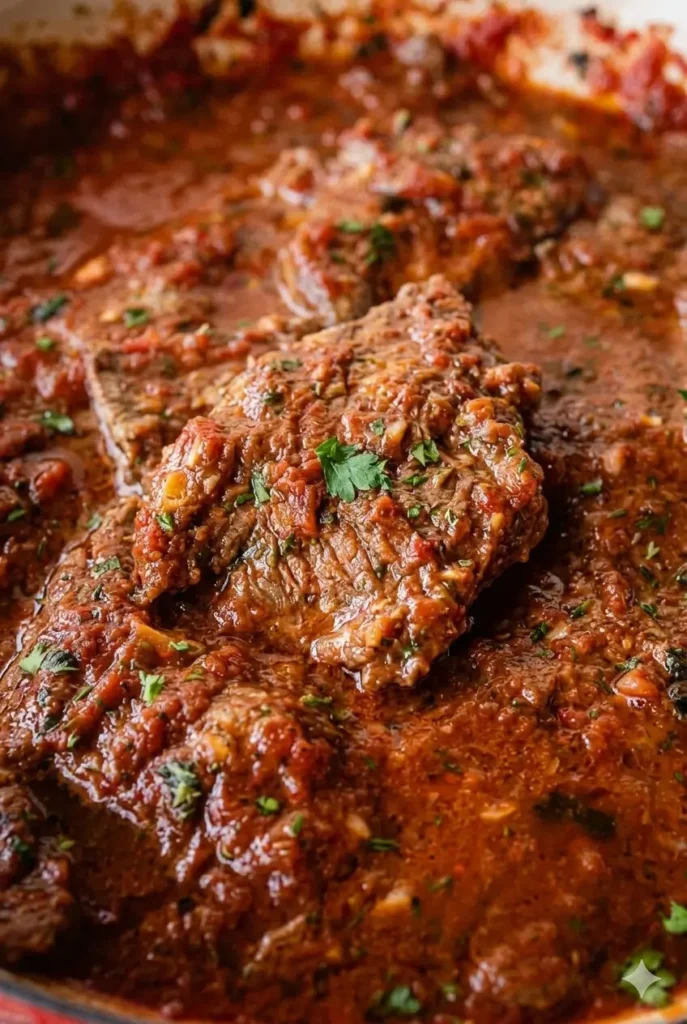
Turn the heat down to low. Cover the pan (or use foil if your pan doesn’t have a lid — no drama) and let everything simmer gently for 20 to 30 minutes, turning the steaks occasionally. The meat should come out tender and cooked through, with the sauce reduced and clinging to every edge.
Keep a close eye on it — cooking time genuinely varies depending on your steak. Very thin and tender cuts might be done in 20 minutes flat. Tougher cuts might want longer. The old-school Italian way was to let it simmer for over an hour until the steak practically melted into the sauce. Both outcomes are delicious. Trust your instincts and poke it occasionally.
Step 6: Finish and Serve
Stir in the remaining fresh parsley. Taste one final time and adjust the salt and pepper. Then plate it up, spoon generous amounts of that gorgeous sauce over the top, and finish with a drizzle of extra virgin olive oil right before serving. That last drizzle isn’t just for show — it adds a fresh, fruity richness that ties the whole dish together.
Tips for the Best Beef Steak Pizzaiola
A few things that genuinely make a difference:
- Thin is everything. Cannot say it enough. Ask your butcher or slice them yourself at home.
- Don’t skip the pounding. It’s satisfying AND it shortens the cook time AND it makes the steak more tender. Triple win.
- Taste as you go. The sauce seasoning is what makes or breaks this dish. Be generous with salt.
- Low and slow once the steak is in. High heat will toughen the meat. Patience is the secret ingredient here.
Serving Ideas
Serve your steak pizzaiola with crusty bread to mop up every last drop of sauce — that’s mandatory, not optional. Soft polenta is a dreamy base if you want something more substantial. Or go full Italian: a simple green salad, this dish, and a glass of red wine. Perfect evening.
And if you have leftover sauce the next day? Cook some rigatoni, toss it through, add a splash of pasta water, and call it a completely different meal. Italian kitchen magic.
Frequently Asked Questions
Can I use a different protein in this steak a pizzaiola recipe? Absolutely. Thinly sliced chicken or pork work beautifully in this same sauce. Cooking time will vary, so just keep checking for tenderness as you go.
Can I make beef steak pizzaiola ahead of time? Yes — the sauce can be made one or two days in advance and stored in the fridge. The full dish reheats well too. Do it gently in a skillet with a splash of stock to loosen the sauce back up.
Does steak pizzaiola have cheese? Not traditionally. But nobody’s stopping you from laying a slice of fresh mozzarella over the top in the last few minutes of cooking. It melts into the sauce and makes everything wonderfully indulgent.
Making this steak pizzaiola recipe is one of those rare cooking moments where the effort-to-reward ratio is completely unfair in your favor. Simple pantry ingredients, minimal fuss, and maximum flavor. It’s the kind of dish that gets written down on a scrap of paper and passed around between friends.
Go make it. Then come back and tell me you didn’t eat the entire pan.
Steak Pizzaiola Recipe
4
servings20
minutes1
hour339
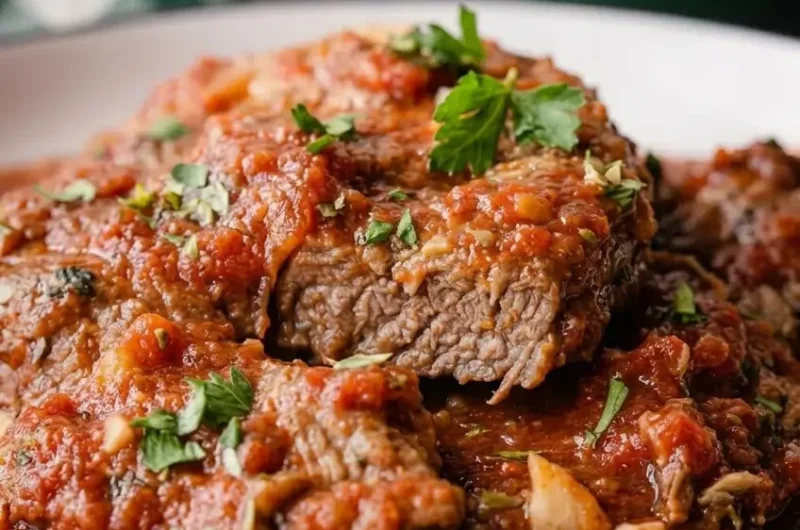
kcalSteak Pizzaiola Recipe: A classic Italian comfort dish — tender beef simmered in a rich, garlicky tomato sauce with oregano and fresh parsley. Simple ingredients, unforgettable flavor.
Ingredients
450 grams beef steaks (sirloin, rump, scotch fillet, or top round), thin-cut
60 milliliters extra virgin olive oil, plus extra for drizzling
2 garlic cloves, finely chopped
400 grams canned crushed tomatoes (see Note 1)
180 milliliters beef stock or chicken stock
1 teaspoons dried oregano, or more to taste
1 teaspoons salt, or to taste
0.5 teaspoons black pepper
1 tablespoons fresh parsley, finely chopped
Directions
- Tenderize the steak: Using a meat mallet, pound the steaks evenly until uniformly thin — about ¼ inch (6mm). Before pounding, score small cuts along the fat edges to prevent curling during cooking. Set the tenderized steaks aside.
- Start the garlic base: Place 60 milliliters extra virgin olive oil, plus extra for drizzling and 2 garlic cloves, finely chopped together in a cold frying pan — don’t heat the pan first. Set over medium heat and allow the garlic to warm gradually in the oil until it turns fragrant and begins to gently sizzle, about 2–3 minutes . This cold-start method prevents the garlic from burning.
- Build the pizzaiola sauce: Add 400 grams canned crushed tomatoes (see Note 1), ½ cup (120ml) of the 180 milliliters beef stock or chicken stock, half of the 1 tablespoons fresh parsley, finely chopped, and all of the 1 teaspoons dried oregano, or more to taste to the pan. Season with 1 teaspoons salt, or to taste and 0.5 teaspoons black pepper. Stir everything together and bring to a gentle simmer. Cook uncovered for 5 to 10 minutes , stirring occasionally, until the sauce deepens in flavor.
- Add the steak: Nestle the tenderized steaks into the tomato sauce, making sure each piece is well coated. If the sauce has reduced and looks thick, pour in the remaining stock to loosen it. Every piece of steak should be surrounded by sauce.
- Simmer until tender: Reduce the heat to low and cover the pan. Let the steaks simmer gently for 20 to 25 minutes , turning them occasionally for even cooking. Cooking time will vary — very tender cuts may be ready in 20 minutes, while tougher cuts can benefit from up to an hour of slow simmering. Check regularly and trust your instincts.
- Season and finish: Taste the sauce and adjust salt and pepper as needed. Stir in the remaining fresh 1 tablespoons fresh parsley, finely chopped.
- Serve: Plate the steaks hot, spooning the rich tomato sauce generously over the top. Finish with a drizzle of extra virgin olive oil and serve immediately with crusty bread or your choice of side.
Notes
- Tomatoes: If you can’t find crushed tomatoes, use tomato passata or whole peeled tomatoes blended into a smooth purée. Always look for tomatoes with no added herbs, sugar, or additives — pure tomatoes only.
- Thin-cut steaks are essential. Top round (topside) or sirloin (rump) are great everyday choices; rib-eye is a worthwhile splurge for extra tenderness.
- Score the fat edges before pounding to stop the steak from curling in the pan.
- Pound to roughly ¼ inch thick for the best texture and faster cooking.
- Cooking time varies by cut. A more tender steak cooks quickly; a tougher cut rewards patience — the longer simmer makes it meltingly soft.
- Always taste and adjust the sauce seasoning before serving. A pinch more salt can make a noticeable difference.
- Leftovers: Leftover sauce is extraordinary tossed through pasta the next day. Store in an airtight container in the fridge for up to 2 days.